

-
Products
- CE-Certified Products
- 980nm 1470nm Diode Laser for Aesthetic Surgery
- 980nm 1470nm Diode Laser for Phlebology And Vascular Surgery
- 980nm 1470nm Diode Laser for Coloproctology
- 980nm 1470nm Diode Laser for Gynecology
- 980nm 1470nm Diode Laser for Ent
- 980nm 1470nm Diode Laser for Orthopedics
- 980nm 1470nm Diode Laser for Physiotherapy
- 980nm 1470nm Diode Laser for Dentistry
- 980nm 1470nm Diode Laser for Podiatry


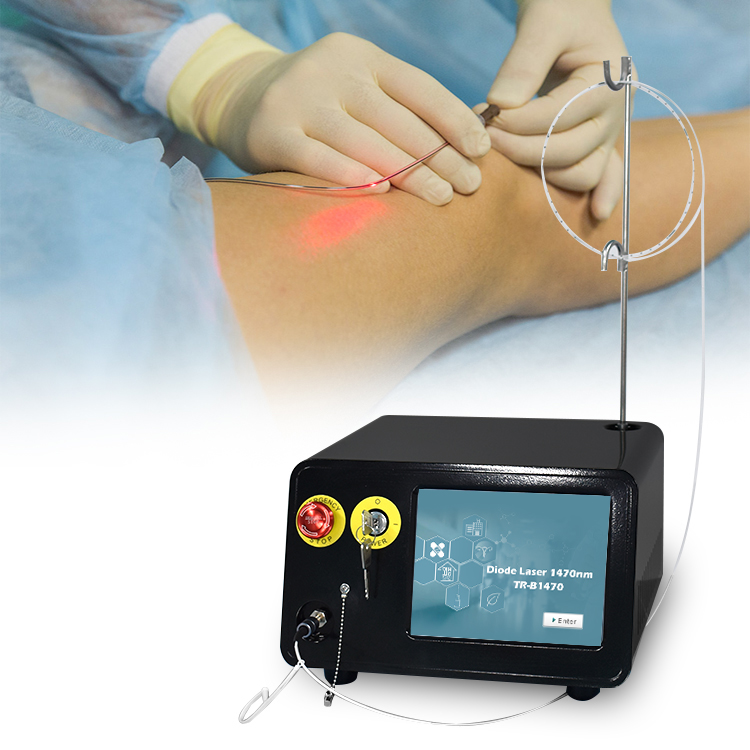

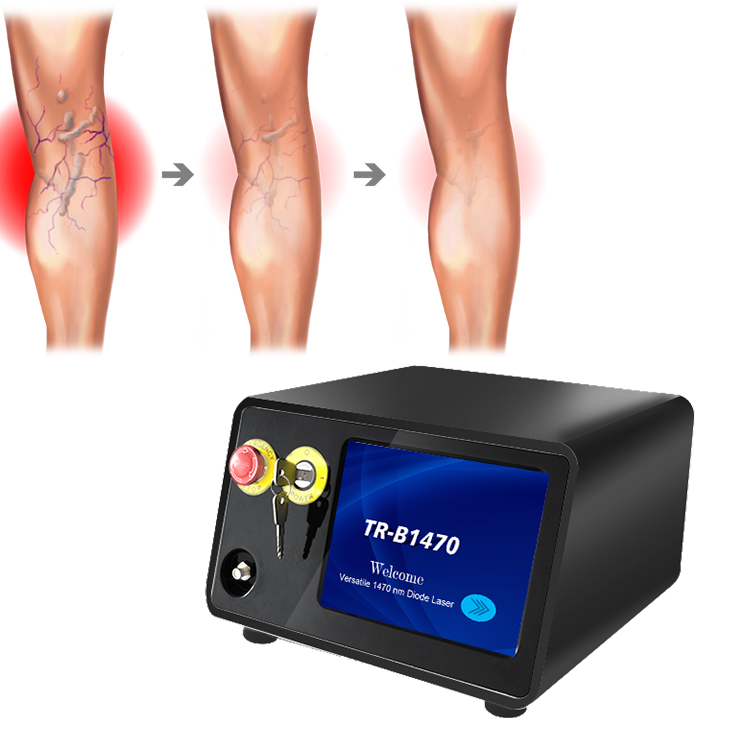


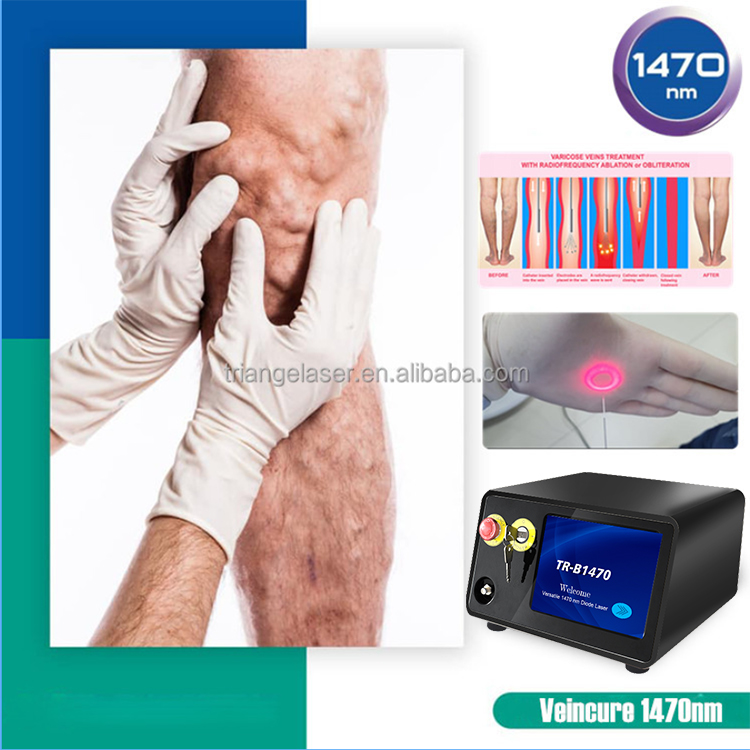
China Factory Suppliers for 1470nm EVLT Laser Machine - Advanced Varicose Vein Treatment Solutions
Key Principles of SEO-Friendly Web Design
Creating a visually appealing website is only half the battle. To succeed online, your site must be structured in a way that search engines can easily crawl, index, and understand. Modern web design seamlessly integrates user experience (UX) with technical SEO to ensure maximum visibility and conversions.
With Google's mobile-first indexing, the mobile version of your website is the starting point for what Google includes in their index. A responsive layout is no longer optional—it is the foundation of modern SEO.
Optimized Visual Presentation
High-quality imagery engages visitors and reduces bounce rates. When showcasing products or services, presenting multiple angles helps build user trust. Below is a demonstration of how optimized visual assets should be structured for both desktop and mobile viewports.


Integrating Rich Media
Video content significantly increases the average time spent on a page, sending positive signals to search engine algorithms. Ensure all video embeds are fully responsive to prevent layout shifts on smaller screens.
Essential Technical SEO Checklist
To ensure your optimized design translates into higher search engine rankings, keep the following technical elements in mind:
- Page Speed Optimization: Compress images and leverage browser caching to keep load times under 2 seconds.
- Semantic HTML: Use proper header tags (H2, H3) to establish a clear content hierarchy.
- Image Alt Text: Provide descriptive alt text for all images to assist visually impaired users and search crawlers.
Frequently Asked Questions
Google uses mobile-first indexing, meaning it primarily uses the mobile version of content for indexing and ranking. If your site isn't mobile-friendly, its search visibility will decrease.
Large, uncompressed image files slow down page load times. By optimizing image dimensions, compressing files, and using modern formats like WebP, you can significantly improve page speed.
Alt text (alternative text) describes the appearance and function of an image on a page. It improves web accessibility for screen reader users and helps search engine crawlers index the image correctly.
Good UX design keeps users on your site longer, reduces bounce rates, and increases engagement. Search engines interpret these behaviors as indicators of a high-quality site, which can positively impact rankings.
Structured data provides explicit clues about the meaning of a page to search engines. Implementing schema helps search engines display rich snippets in search results, which can improve click-through rates.