

-
Products
- CE-Certified Products
- 980nm 1470nm Diode Laser for Aesthetic Surgery
- 980nm 1470nm Diode Laser for Phlebology And Vascular Surgery
- 980nm 1470nm Diode Laser for Coloproctology
- 980nm 1470nm Diode Laser for Gynecology
- 980nm 1470nm Diode Laser for Ent
- 980nm 1470nm Diode Laser for Orthopedics
- 980nm 1470nm Diode Laser for Physiotherapy
- 980nm 1470nm Diode Laser for Dentistry
- 980nm 1470nm Diode Laser for Podiatry


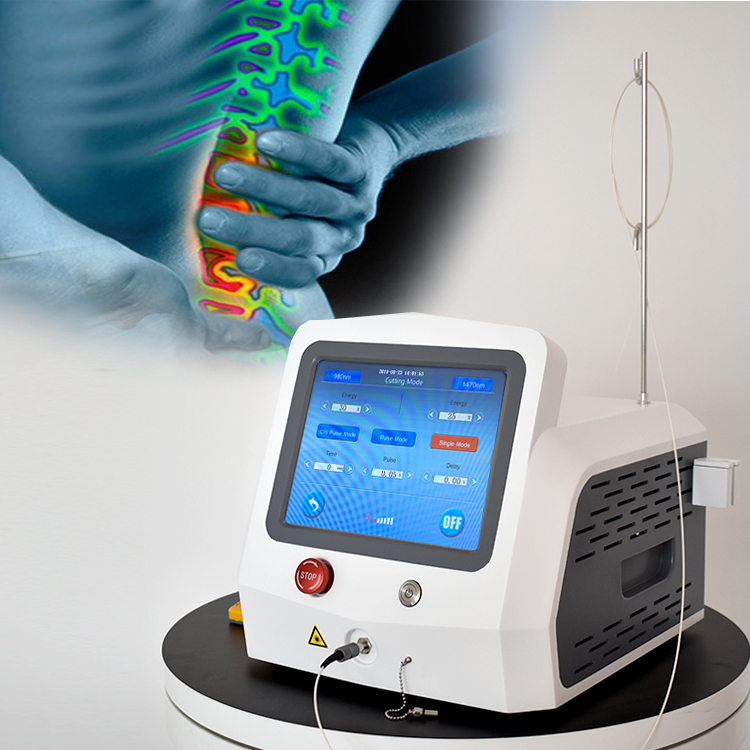


China Suppliers & Factory for 980nm 1470nm Percutaneous Laser Disc Decompression (PLDD) Minimally Invasive Solution
Enhance Your Digital Performance
Maximize your online visibility and drive sustainable growth with our advanced web design solutions and strategic SEO practices. By integrating clean code structures, fast-loading visual elements, and optimized user interfaces, we help your brand secure higher rankings on search engine results pages while delivering an exceptional user experience across all device formats.
Core Optimization Pillars
Global SEO Reach
Implement structured data and semantic HTML to allow search engine crawlers to index and rank your content efficiently.
Responsive Layouts
Ensure your site displays perfectly on smartphones, tablets, and desktops, matching Google's mobile-first indexing standards.
Speed Optimization
Optimize loading times through structured asset delivery, clean styling, and efficient layouts to lower bounce rates.
Featured Projects


Frequently Asked Questions
Google uses mobile-first indexing, meaning it primarily uses the mobile version of a website for indexing and ranking. A responsive design ensures your site functions seamlessly across devices, improving user experience and search engine visibility.
Page speed directly influences user experience. Faster pages keep users engaged and reduce bounce rates. Google considers page speed as a core ranking signal under the Core Web Vitals assessment.
Semantic HTML elements help search engines understand the structure and hierarchy of your content. This clarity makes it easier for crawlers to index your pages accurately and feature them in rich search results.
You can compress images using modern web formats like WebP, specify explicit dimensions to prevent layout shifts, and use CSS styling to ensure they remain responsive without losing their original aspect ratio.
Content should be updated whenever there is new information, changes in industry standards, or shifts in search intent. Regularly refreshing outdated content signals to search engines that your site remains active and relevant.
Key elements include using descriptive title tags, clear header structures (H2, H3), fast-loading media files, semantic markup, high-quality internal and external links, and placing primary keywords naturally within the body text.