

-
Products
- CE-Certified Products
- 980nm 1470nm Diode Laser for Aesthetic Surgery
- 980nm 1470nm Diode Laser for Phlebology And Vascular Surgery
- 980nm 1470nm Diode Laser for Coloproctology
- 980nm 1470nm Diode Laser for Gynecology
- 980nm 1470nm Diode Laser for Ent
- 980nm 1470nm Diode Laser for Orthopedics
- 980nm 1470nm Diode Laser for Physiotherapy
- 980nm 1470nm Diode Laser for Dentistry
- 980nm 1470nm Diode Laser for Podiatry


0102030405




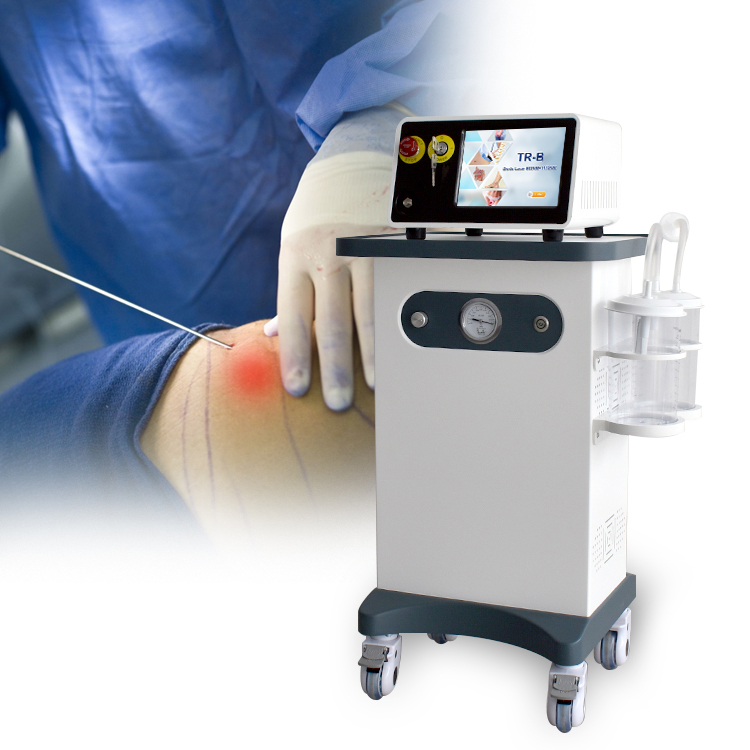
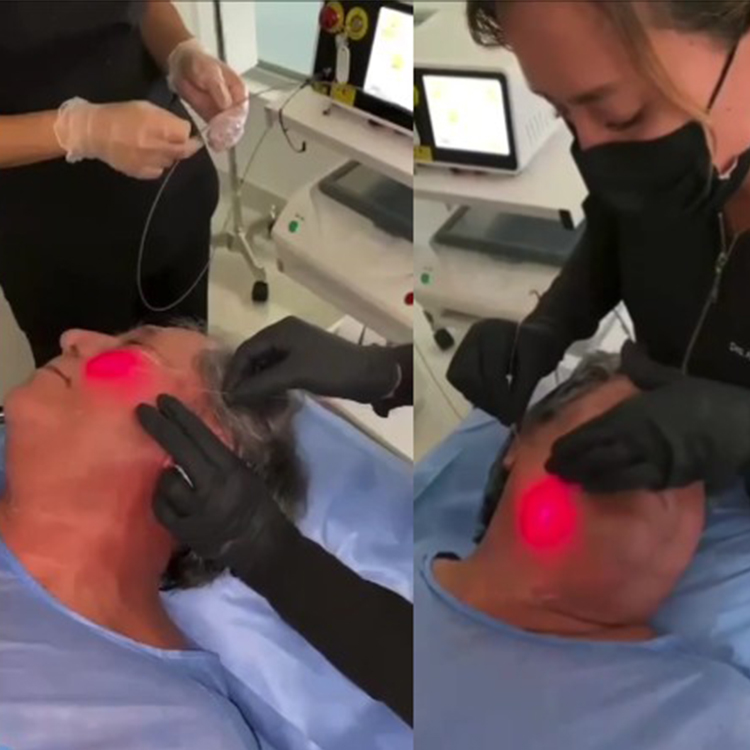
China Suppliers Factory TR-B 980nm 1470nm Diode Lipolysis Laser for Body Shaping and Endo Lift Treatment
Streamlined Web Design & SEO Optimization Solutions
Enhance your online presence with professional, high-performance web solutions tailored to meet modern digital standards. By combining clean layout design with Google SEO best practices, we ensure your site is fast, responsive, and easily discoverable.
Global SEO Reach
Optimize metadata, structure, and speed to rank higher on Google search results globally.
Mobile-First Design
Fully responsive layout adapts seamlessly to smartphones, tablets, and desktop displays.
Structured Schema
Utilize clean HTML structures to help search engine crawlers index your content accurately.
Visual Assets Showcase
High-quality media displays optimized for fast loading times without compromising original resolutions and aspect ratios.


Frequently Asked Questions
What is SEO-friendly web design?
SEO-friendly web design involves structuring and coding a website so that search engines can easily crawl, index, and understand its content, leading to higher organic search rankings.
Why is mobile responsiveness important for Google SEO?
Google uses mobile-first indexing, meaning it predominantly uses the mobile version of content for indexing and ranking. A fully responsive layout ensures optimal performance and better rankings.
Will adding shadows or borders to images affect page speed?
No, styling effects like shadows and borders are handled via lightweight CSS and do not impact page loading times, unlike heavy, uncompressed image files.
How do CSS class prefixes prevent style conflicts?
Using custom prefixes (e.g., "seo_opt_") isolates the styles within the specific container, preventing parent website styles from overriding or breaking the layout of the inserted content.
How can I optimize the images on my website further?
Ensure all images use modern formats like WebP, include descriptive alt tags with relevant keywords, and define explicit height and width parameters to prevent layout shifts.