


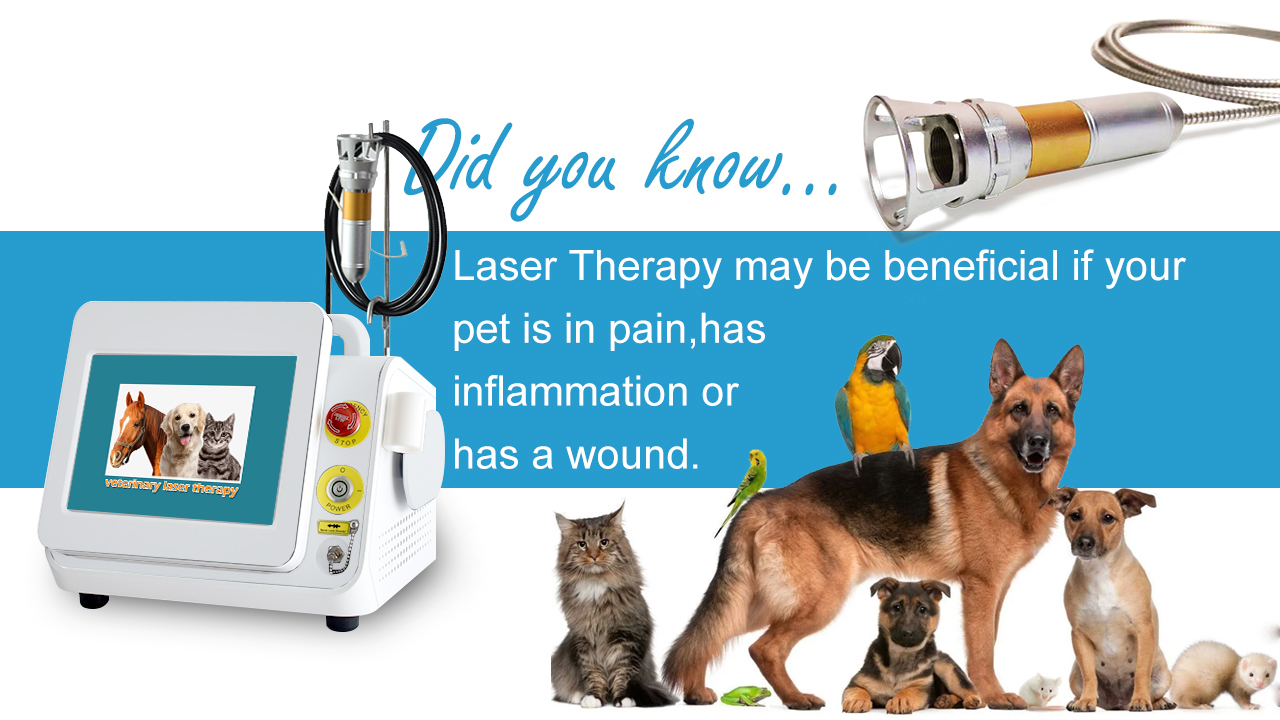


980nm 1470nm Laser Proctology Machine
Laser proctology refers to the use of medical lasers—particularly diode lasers at 980nm, 1470nm—to treat a wide range of benign anorectal conditions with minimal trauma, reduced pain, and faster recovery compared to traditional surgical methods.
Unlike conventional excisional or electrocautery techniques that involve cutting, suturing, and significant postoperative discomfort, laser proctology leverages precise photothermal energy to ablate, coagulate, or vaporize pathological tissue while preserving healthy structures and promoting natural healing.
Common Conditions Treated with Laser in Proctology:
*Hemorrhoids (Piles) – especially Grades II–III internal hemorrhoids
*Anal Fissures – chronic fissures unresponsive to medical therapy
*Anal Fistulas – including simple and complex types (e.g., LIFT, FiLaC® technique)
*Perianal Abscesses – drainage and cavity debridement
*Condyloma Acuminata (Genital Warts) – around the anal verge
*Rectal Prolapse (minor cases) – mucosal tightening
Why Diode Lasers (980nm / 1470nm) Are Preferred:
*980nm: Strong absorption by hemoglobin → excellent for vascular lesions like hemorrhoids
*1470nm: High water absorption → uniform tissue heating, less carbonization, superior for fistula tracts and delicate mucosa
*Both wavelengths allow fiber-delivered energy through flexible probes, enabling access to deep or narrow anatomical spaces under local anesthesia or sedation
Key Advantages of Laser Proctology:
✅ Minimally invasive – no large incisions or open wounds
✅ Reduced postoperative pain – often 50–70% less than conventional surgery
✅ Preservation of sphincter function – critical for continence
✅ Outpatient procedure – most treatments completed in 15–40 minutes
✅ Lower risk of infection and incontinence
✅ Faster return to daily activities – typically within 1–3 days
Innovative Techniques:
*FiLaC® (Fistula-tract Laser Closure): A sphincter-sparing method where a radial-emitting laser probe is inserted into the fistula tract, delivering 360° thermal energy to seal the epithelialized channel from the inside out. Success rates range from
60% to 85%, with minimal impact on continence.
*LHP® (Laser Hemorrhoidoplasty): Shrinks hemorrhoidal cushions by coagulating feeding vessels and remodeling submucosal tissue—without excising tissue.
Typical Laser System Features:
*Diode laser console (980nm/1470nm, 10–30W output)
*Radial or conical emitting fibers (for 360° or directional energy delivery)
*Real-time power and energy control
*Compatible with anoscopy or proctoscopy
With growing demand for less painful, scar-free, and function-preserving options, laser proctology has emerged as a transformative approach in modern colorectal care—offering patients effective relief with dramatically improved quality of life.
