


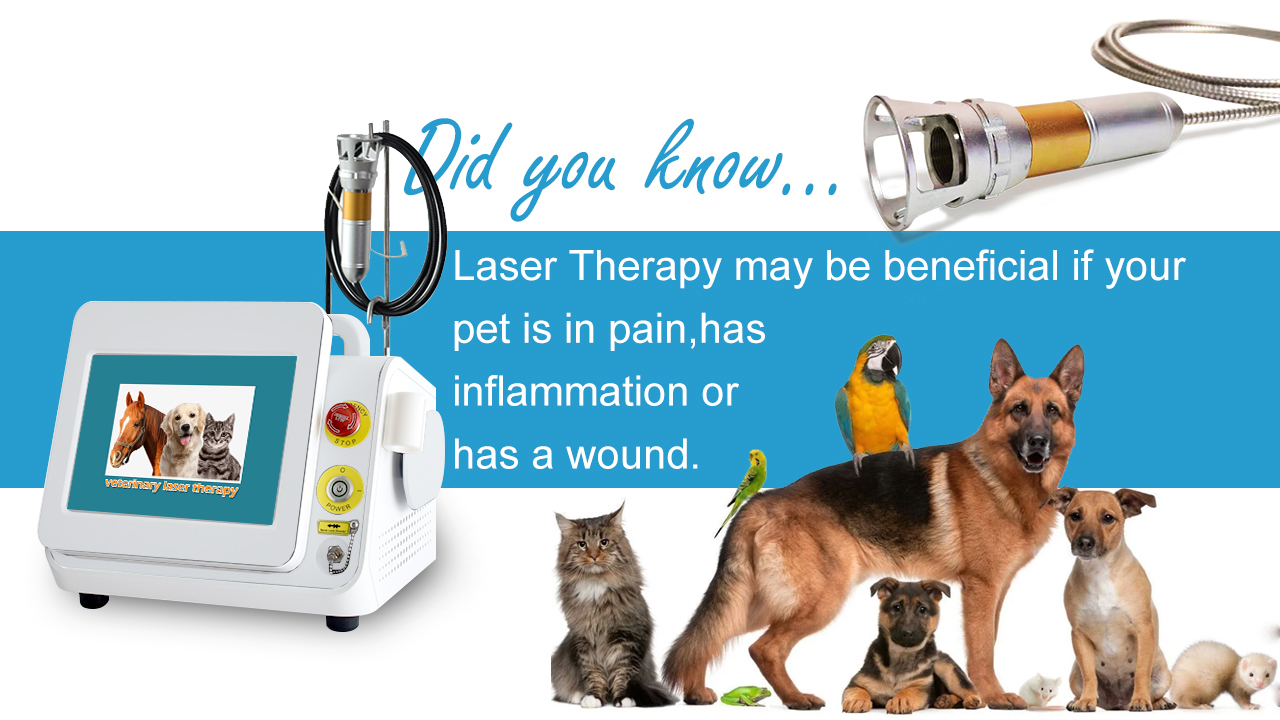


What does a Veterinary Laser do?
Introduction to Veterinary Lasers
In the realm of veterinary medicine, laser technology has emerged as a revolutionary tool that enhances both treatment efficacy and patient comfort. A veterinary laser refers to the use of specific wavelengths of light for various medical procedures. These can range from surgical incisions to therapeutic treatments aimed at promoting healing and reducing pain. The versatility of lasers in veterinary practice is categorized into two main types: surgical lasers and therapeutic lasers.
Surgical Applications of Veterinary Lasers
Surgical lasers are primarily utilized for precise operations such as tumor removal or tissue repair. One of the key advantages of using lasers in surgery is their ability to make very accurate cuts with minimal damage to surrounding tissues. This precision helps in reducing bleeding during surgeries by coagulating small blood vessels. Consequently, this leads to safer procedures and faster recovery times for animals. For instance, when treating skin lesions in pets, laser surgery provides cleaner incision edges compared to traditional methods, thereby decreasing the risk of infection. Moreover, due to the reduced thermal damage to adjacent tissues, scarring is minimized, which is particularly beneficial in cosmetic repairs or sensitive areas.
Therapeutic Uses of Veterinary Lasers
Therapeutic lasers, often referred to as low-level laser therapy (LLLT) or photobiomodulation, are employed to accelerate tissue repair and alleviate pain. This form of laser therapy works by stimulating cellular activity, enhancing local blood circulation, and speeding up the healing process. It is especially useful for chronic conditions like arthritis in pets, where it serves as a non-invasive method to reduce inflammation and improve mobility. Research indicates that appropriate doses of laser light can activate mitochondrial functions within cells, leading to increased ATP production—a critical factor for repairing damaged tissues. Thus, therapeutic lasers provide a valuable alternative for managing chronic diseases without the side effects associated with pharmacological treatments.
Advancements and Future Prospects
The advancement in veterinary laser technology is making these devices more compact, user-friendly, and affordable, enabling a broader adoption across veterinary clinics. Additionally, ongoing research is exploring new applications of laser technology, including its potential in diagnostic imaging. Such innovations promise to elevate the standards of animal healthcare by providing veterinarians with more effective tools to diagnose and treat various conditions. As technology evolves, the role of lasers in veterinary medicine will likely expand, offering innovative solutions to enhance the well-being of animals.
Conclusion
Whether used for intricate surgical interventions or as a therapeutic aid for healing and pain relief, veterinary lasers showcase their immense potential in modern veterinary practices. By continuously improving and adapting this technology, the future holds exciting possibilities for transforming how we care for our animal companions, ultimately contributing to better health outcomes and improved quality of life for pets.
